
Home » Living with arthritis » Treatment & Care » Paracetamol
Paracetamol
Quick links
What is paracetamol?
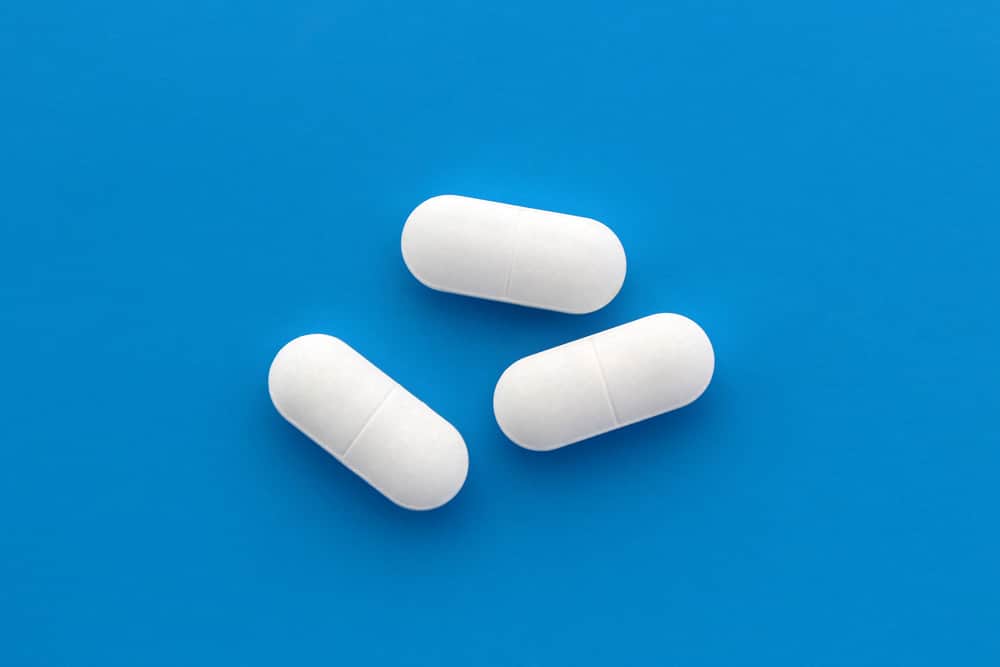
Paracetamol is a common pain medicine used for pain relief (analgesic). It can also lower raised body temperature (fever). It is used for relief of fever, headaches, the pain of arthritis and other minor aches and pains.
How does it work?
It is thought that paracetamol works in the brain to prevent the release of substances that increase pain and temperature.
Paracetamol provides relief of pain and high temperatures usually within 30 minutes of taking a dose.
How is paracetamol taken?
Paracetamol is usually taken by mouth in tablet or capsule form. It is also available as liquids and rectal suppositories.
What is the dosage?
Paracetamol is most commonly a 500mg tablet or capsule. It is also available as a slow release 665mg tablets. The usual dose for adults and children 12 years and older is 2 tablets per dose, your doctor will advise on a maximum of 3g or 4g paracetamol per day.
Liquid paracetamol is available for younger children. For over-the-counter paracetamol the dose depends on the child’s age and weight. Be sure to check the dosage guide on the packaging as liquid paracetamol comes in different strengths.
How often should it be taken?
Paracetamol can be taken when needed, that is when you feel the pain, or it may be taken regularly to manage persistent pain. Regular dosing is recommended to treat the persistent pain that may be associated with arthritis.
Paracetamol is usually taken every 4 to 8 hours.
For arthritis, the dose might be two slow-release tablets every 8 hours, for example, at 8am, 2pm, and bedtime.
Are there any side effects?
Most people who take paracetamol at recommended doses do not have side effects. It also does not increase blood pressure or increase the risk of heart attacks.
What if I take too much?
Paracetamol is very safe when you take the right amount. But because it is found it many different medicines, accidental overdoses can happen if you’re not careful. Severe damage to the liver and kidneys can occur when more than the recommended dose is taken. In some cases, overdosing of paracetamol has caused death.
See ‘Important things to remember’ on the first page of this information sheet.
What other precautions are necessary?
Dose in liver disease
- Paracetamol is broken down in the liver. It is therefore important that you tell your nurse/doctor/pharmacist if you have any liver problems as the dose may need to be reduced.
Use with other medicines
- Paracetamol can interact with other medicines.
Tell your doctor or pharmacist if you are taking any other medicines, including any medicines, vitamins, or supplements that you buy without a prescription from your pharmacy, supermarket or health food shop.
Use with alcohol
- Paracetamol can be used safely with a moderate intake of alcohol. However, it is best to avoid drinking more than 4 standard drinks at once, even if you don’t do it often.
Use in pregnancy and breastfeeding
Paracetamol can be taken safely during pregnancy or when breastfeeding.
Click HERE for detailed information.
How to store paracetamol
- Store paracetamol in a cool, dry place, away from direct heat and light (e.g., not in the bathroom)
- Keep all medicines out of reach of children.
Important things to remember
There is a limit to the amount of paracetamol that can be safely taken in a 24-hour period.
You MUST see your doctor as soon as possible, or call the Poisons Information Line (13 11 26) and go to the nearest emergency department if you think you have taken too much paracetamol.
- For otherwise healthy adults the maximum daily dose is 4 grams per day (6-8 tablets, depending on the strength of the tablets). This may be less if you have severe liver problems, frail or elderly.
- Doses for children depend on their weight and must be calculated.
- Some cold and flu medicines and pain relievers also contain paracetamol. Always check the ingredients before taking them.
Add up the paracetamol from all medicines and do not take more than the recommended daily dose. - It is also important to tell your nurse / doctor / pharmacist about any other medicines you are taking.
This Information Sheet has been prepared using materials obtained from various sources which have been reviewed by the Australian Rheumatology Association (ARA). It contains general information only and does not contain a complete or definitive statement of all possible uses, actions, precautions, side effects or interactions of the medicines referenced. This information is not intended as medical advice for individual conditions nor for making an individual assessment of the risks and benefits of taking a particular medicine. Decisions regarding the assessment and treatment of patients are the sole responsibility of the treating medical professional, exercising their own clinical judgment and taking into account all of the circumstances and the medical history of the individual patient.
ARA has used all reasonable endeavours to ensure the information on which this Information Sheet is based is accurate and up to date. However, the ARA accepts no responsibility or liability for the accuracy, currency, reliability and/or completeness of the information contained in this Information Sheet. To the maximum extent permitted by law, the ARA expressly disclaims any liability for any injury, loss, harm or damage arising from or in connection with use of and reliance on the information contained in this Information Sheet.
This information sheet is copyright and may be reproduced in its entirety but may not be altered without prior written permission from the ARA.
Page updated July 2026